

Do Communion Practices Vary by Country and Culture?

Step into a church service on another continent and communion may look a little unfamiliar. The bread could be a thin wafer or a torn loaf, the cup could be shared or individual and the mood could be hushed or full of song.
Below, we look at what stays the same in communion everywhere, how the bread and cup differ between traditions, the ways believers receive the elements and how local culture shapes the feel of the service.
The Shared Foundation Behind Every Table
First, it helps to see what nearly every church shares. Christians everywhere trace communion back to the Last Supper, when Jesus took bread and a cup, gave thanks and told His disciples to do this in remembrance of Him.
Most churches use the same basic elements of bread and the fruit of the vine, read the words of institution from the Gospels or from Paul’s letter to the Corinthians and invite believers to examine their hearts first. So a visitor can usually follow along, even in a new language or setting.
Where churches part ways is often theology rather than geography. Catholic, Orthodox, Lutheran, Reformed and Baptist churches hold different views on what happens during communion. A Lutheran service in one region will usually feel closer to a Lutheran service far away than to the Pentecostal church down the road.
Differences in the Bread and the Cup
The bread is one of the most visible differences in communion traditions around the world. Catholic churches and many Anglican and Lutheran churches use thin unleavened wafers, pointing back to the unleavened bread of Passover. Eastern Orthodox churches use leavened bread, often baked by parish members and stamped with a seal.
The cup varies just as much. Catholic and Orthodox churches use wine, and the Orthodox add a little warm water to it. Many Baptist, Methodist and evangelical churches serve grape juice instead, a practice that grew out of the temperance movement of the late 1800s. Some ancient churches in East Africa use a drink made from soaked raisins.
Local conditions play a part too. In remote areas where grapes and wheat are costly or hard to find, some congregations adapt with what is available, though most denominations still ask for bread and grape-based drinks. Food allergies are also shaping practice, with gluten-free options now offered in many churches.
How Believers Receive the Elements
The way people come to the table says a lot about a church’s heritage. In Catholic parishes, worshippers usually walk forward in a line and receive the host in the hand or on the tongue. In many Anglican and Lutheran churches, people kneel at a rail while the minister moves along the row.
Orthodox Christians receive the bread and wine together from a spoon, and baptized infants are included from a young age. In many Baptist, Presbyterian and evangelical congregations, trays of bread and small cups are passed along the pews so everyone can eat and drink together as a sign of unity.
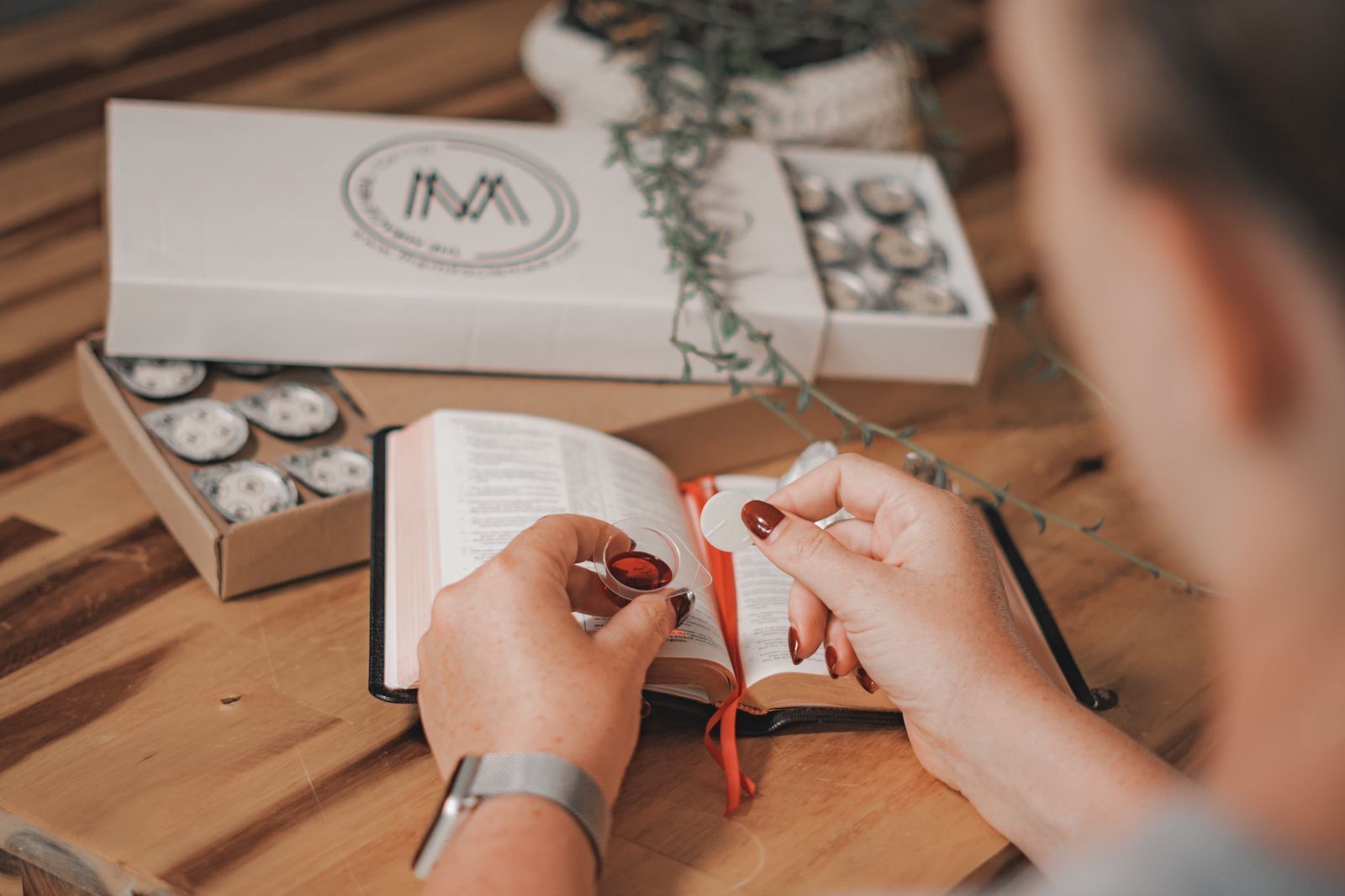
The move from a common cup to individual cups is another big part of how churches in different cultures celebrate communion. Individual cups became popular in the late nineteenth century because of hygiene concerns, and their use grew after recent health crises. Many churches now offer both so members can choose.
Culture, Frequency and the Feel of the Service
How often churches share communion changes from one tradition to the next. Catholic, Orthodox, Anglican and many Lutheran churches celebrate weekly or even daily, while many Baptist and Presbyterian congregations do so monthly or quarterly. Rural churches served by visiting ministers may only celebrate when a pastor can visit.
Looking at the Lord’s Supper across cultures also reveals big differences in atmosphere. In many African and Latin American churches, communion is surrounded by singing, clapping and joyful prayer, while in other places it is marked by silence and quiet reflection. Some Anabaptist and Brethren groups combine communion with a shared meal and foot washing, known as a love feast.
Language and symbols add further variety. Prayers are offered in hundreds of languages, and churches often add local touches such as woven cloth on the table, regional hymns or bread baked by members. These details help believers connect the meal to daily life while sharing in something that unites the global church.
In Conclusion
Communion looks different around the world, from the bread and cup used to how often churches gather and how believers receive the elements. Beneath all that variety, Christians everywhere share the same call from Jesus to remember Him through this meal.
Whatever your tradition, The Miracle Meal is here to help. Our premium pre-filled communion cups suit everything from small gatherings to large events with thousands of attendees. Visit our website today to order communion cups for your next service or event.